
Visual Intelligence
What it is. Structure, visual hierarchy, and semiotic clarity.
Evidence you can present.



Step 01
Upload the asset.
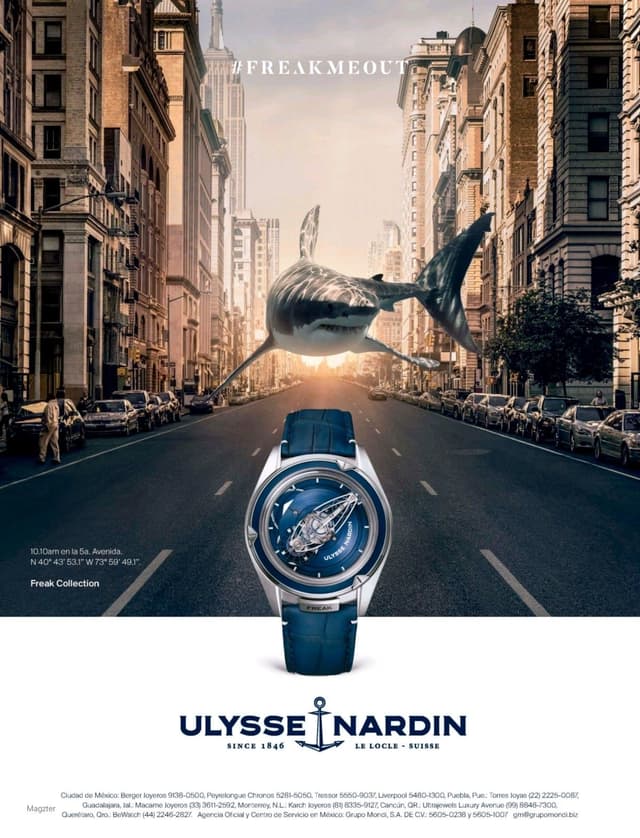
Start with the exact creative in front of you: work in progress, competitor, or reference (single frame or sequence).
Step 02
Run the decision system.
Quality Gate, Mechanics, Psychology, Blueprint Trace, Stress Lab, Market Pulse, and Decision Log keep the read repeatable.
Step 03
Ship the decision artifact.
Export a dossier built for alignment, approval, evidence, caveats, and decision language.
The Problem
They struggle to place it.
What Teams Actually Need
A repeatable creative review system
Same structure every time — so feedback stops drifting into vibes and taste debates.
Clear next actions
Not “it feels off” — specific fixes for hierarchy, friction, and intent so revisions get shorter.
A defensible trail
Reads that live in the Vault, so you can reference what you decided and why — without re-prompting.
Without this, every review becomes subjective. Visual Decompiler turns instinct into something you can place, explain, and defend — fast.

This is what a creative decision looks like.
Proof
Visual Decompiler does not return a loose AI answer. It produces a structured forensic artifact with decision logic, evidence anchors, and language your team can defend in the room.
Forensic Dossier
v2.44 // READ_ONLY_SAMPLE
Clarity
Attention
Cohesion
Intent
Distinction
Focal Route
Strategic Thesis
Positions the product as premium through controlled visual aggression and subject isolation.
Trigger
High-contrast subject lock.
Friction
Copy layer competes with focal route.
confidence_index: 0.94
export_hash: 8f2_9a1_7c
The System
What it is. Structure, visual hierarchy, and semiotic clarity.
How it behaves. Stop power, retention, and platform fit.
Where it fits. Role in sequence, repeatability, and creator DNA.
Because good creative isn't random.
It has a job.

Forensic Inventory
Every analysis yields a multi-layered artifact designed to travel into decks, client rooms, and team alignment sessions.
Scores
Quantified reads for clarity, attention, cohesion, intent, and distinction.
Path
A sequenced read of where the eye enters, travels, and drops away.
Strategy
The thesis, trigger mechanic, friction points, and defensible direction.
Record
A captured verdict with rationale, evidence, and next-action language.
Anchors
Specific visual claims tied back to what is actually present in the asset.
Memory
A saved dossier your team can revisit, compare, export, and defend later.
Strategic Moat
AI chat is a vacuum. Visual Decompiler is a shared grammar for creative logic—turning every analysis into studio memory that compounds over time.
Import
Sequence 01Upload the creative your team is actually judging, not a pasted description or generic prompt.
Decompile
Sequence 02Semiotic dynamics, structural signals, and market pulse keep every read clinical and defensible.
Reference
Sequence 03Every dossier becomes reusable evidence for future comparisons, moodboards, and category-level patterns.
Verdict
Sequence 04The final output is a client-ready artifact with the rationale and visual evidence your team needs to survive the room.
The Compounding Moat
Every analysis you run saves to your Vault, creating a persistent memory of what works—something a one-off AI chat or agent will never provide.
The Strategic Gap
The Market Status Quo
One-off answer
Insight exists for 30 seconds, then vanishes into a chat history graveyard.
No persistent vault
No way to compare today’s ad against a competitor from six months ago.
No fixed audit trail
Decision rationale is buried in a loose thread, making it impossible to defend or rerun.
Disconnected results
Every analysis starts from zero. There is no compounding intelligence.
Result: Fragmented Knowledge
Forensic Advantage
Structured Dossier
Every asset is deconstructed into a fixed, clinical data structure.
Compounding Archive
The Vault acts as your agency’s long-term memory for every brand and category.
Decision Log
Rationale is anchored to evidence, creating a defensible audit trail for clients.
Reusable Workflow
Run the exact same forensic audit across teams, campaigns, and years.
Result: Compounding Intelligence
Decision Map
Visual Decompiler goes deep into the unseen layers of an ad. From luxury automotive to a cold beer campaign, there is always more than surface-level execution — and the dossier makes those insights readable.
Clarity, Attention, Cohesion, Intent, Distinction
Entry point, flow sequence, and drop-off points
Hierarchy, Balance, Contrast, Density, Focus Integrity
Thesis, trigger mechanic, friction points, category positioning
Final decision confidence statement
Visual Decompiler — Decision Support
Core Value
Visual Decompiler breaks down hierarchy, attention flow, tone, friction, and strategic intent — in language teams and clients can actually use.
Dossier Layer
Structured outputs built to travel into decks, client rooms, and team alignment sessions.
New Analysis
Upload a sequence and get a hook → proof → CTA diagnosis with prioritized fixes. Built for fast, real-world creative review workflows.
Up to 5 frames
Drop a carousel or keyframes instead of guessing from one still.
Platform target
Shape critique to placement norms (safe zones, crop risk, caption reliance).
Sequence coherence
Detect when the hook promises one thing and the CTA pays off another.
Gaze overlay
A fast heuristic read of entry, vector, and endpoint attention routing.
Micro-clarifiers
Inline “what is this?” pills so non-specialists don’t get lost.
Vault-ready storage
Multi-frame assets render cleanly in the Vault and dossier context.
Strategic Edge
Turn visual instinct into structured rationale for decks, presentations, and pitch narratives.
Defend bold creative decisions with clearer alignment and strategic framing.
Reduce subjective feedback loops during reviews and approvals.
Present work with stronger rationale and more client confidence.